

The Role of Consumer Psychology in Hospitality Marketing
Effective hospitality marketing is shaped by more than great offers or beautiful branding. At its core, it is driven by an understanding of how guests think, feel, and decide. Every choice a traveller makes, from clicking a booking button to upgrading a package, is influenced by psychological triggers they may not even be aware of.
When you understand the motivations, decision-making patterns, and subtle behaviours behind these choices, you can design campaigns, websites, and guest experiences that speak directly to what matters most to them. This is where consumer psychology becomes one of the most valuable tools in a marketer’s arsenal.
In this article, we explore key psychological concepts and show how they can be applied in hospitality marketing to increase revenue, inspire loyalty, and strengthen guest relationships.
Storytelling
Storytelling taps into the human tendency to connect with narratives more deeply than with facts alone. A well-told story creates emotional resonance, builds trust, and makes your brand more memorable.
In hotels, storytelling can turn a standard welcome into an immersive experience. For example, a boutique property in a historic building could share the tale of the family who built it, weaving in anecdotes about famous guests or local legends. This narrative can appear in the welcome booklet, on the website, or in the pre-arrival email, helping guests feel part of something bigger than their booking.
“Transcending barriers of language and culture, storytelling is one of the oldest art forms in history, utilised to transmit cultural, moral, and complex information in a simple, engaging, and meaningful manner” Osman
In restaurants, storytelling can be used to elevate menu items beyond their ingredients. A seafood restaurant might highlight that its scallops come from a local fisherman who has supplied the kitchen for over 20 years, or that a dessert recipe was passed down from the chef’s grandmother. These stories create a richer dining experience and increase perceived value.
Apply this in your hospitality marketing strategy: Identify the stories behind your property, menu, or service and integrate them into the touchpoints where guests are deciding whether to choose you. When guests feel emotionally connected, they are more likely to book, spend more, and share their experience with others.
The Endowment Effect
Ever notice how a guest treats a complimentary upgrade as if it were a rare gift, even if it costs your business very little? That is the endowment effect in action — a cognitive bias where people place greater value on something once they feel it is theirs.
In hospitality, this might be a hotel offering late check-out at no charge, a restaurant surprising a table with premium seating, or a spa providing complimentary access to the relaxation lounge. Once guests receive it, they attach emotional value far beyond the actual cost, creating a sense of privilege and connection to your brand.
To engage this bias, build moments of unexpected generosity into your experience design. Identify high-perceived-value extras that are low in operational cost but rich in emotional impact. This sense of ownership deepens the guest’s attachment, increases their likelihood of return, and strengthens the stories they tell about you to others.
The Framing Effect
The framing effect is the way the presentation of information influences how people interpret and act on it.
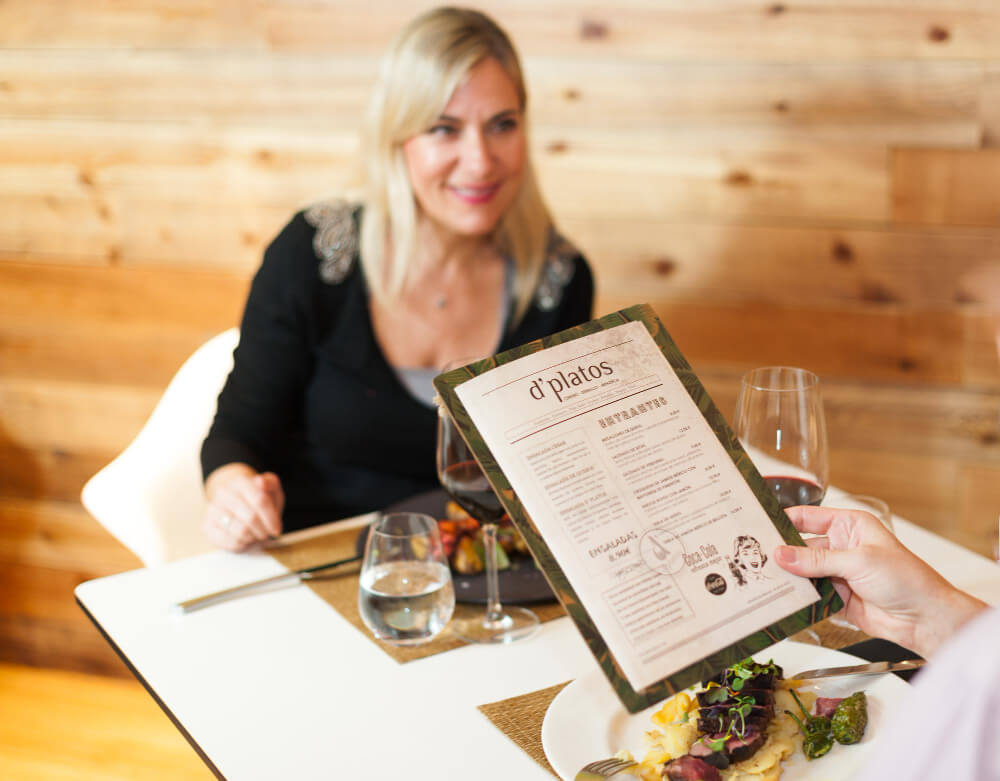
For instance, promoting a hotel stay as “Save 20% when you book now” often feels more enticing than simply stating the original price. A restaurant menu can frame dishes as “chef’s seasonal special” rather than “limited-time menu item” to create a sense of exclusivity, or highlight options as “healthy choices” or “indulgent treats” to guide diners’ decisions.
To use the framing effect effectively, marketers should shape their messaging so that it draws attention to the most appealing benefits, unique features, or experiences their venue offers. This could mean presenting a package as “complimentary champagne on arrival” rather than “drinks included” or describing a conference room as “light-filled with panoramic city views” instead of “large meeting space.” Every choice of words helps frame the experience in a way that nudges the decision in your favour.
Reciprocity
Reciprocity is built on the idea that when someone does something for us, we feel a natural pull to return the favour. In marketing, this principle can strengthen relationships with guests by giving them something of value up front – whether that is a personalised welcome drink, a complimentary dessert for special occasions, or an insider’s guide to the local area that helps them plan their stay. These gestures make it far more likely that guests will engage with the brand, spend more during their visit, and come back in the future.
In hospitality, reciprocity can be applied in both small and large ways. A hotel might surprise returning guests with an upgraded room or late checkout at no extra cost. A restaurant could send a thank-you email with an exclusive offer for a future booking after a guest’s first visit. Even a simple, handwritten note from the manager can leave a lasting impression that inspires a guest to post a glowing review or recommend the venue to friends.
By consistently delivering thoughtful extras and moments of generosity, hotels and restaurants can create a positive cycle of reciprocity. Guests respond to these gestures with repeat visits, referrals, and public praise, which in turn fuels brand reputation and long-term loyalty.
Social Proof
Social proof plays a significant role in the hospitality industry. When potential customers research hotels, restaurants, or other hospitality establishments, they often rely on social proof to make decisions. Positive reviews, ratings, and testimonials from previous guests or customers act as social proof, influencing purchasing behaviour.
To leverage social proof in hospitality marketing, businesses can encourage satisfied guests to leave reviews and testimonials and prominently display them on their websites and social media platforms. Brands can enhance their credibility and build trust with potential guests by actively managing their online reputation and responding to all customer reviews – whether positive or negative.
Scarcity
When something is scarce, people perceive it as more valuable and desirable. Hospitality businesses can use scarcity psychology to create a sense of urgency among potential guests by promoting limited availability or exclusive offers.
For example, limited-time deals or exclusive offers can create a sense of urgency among guests. However, businesses must strike a balance and not create false scarcity, which can lead to negative customer experiences.
Companies can increase the perceived value and desirability of the offer by effectively communicating the limited availability of specific experiences or promotions to drive bookings and reservations.
The Decoy Effect
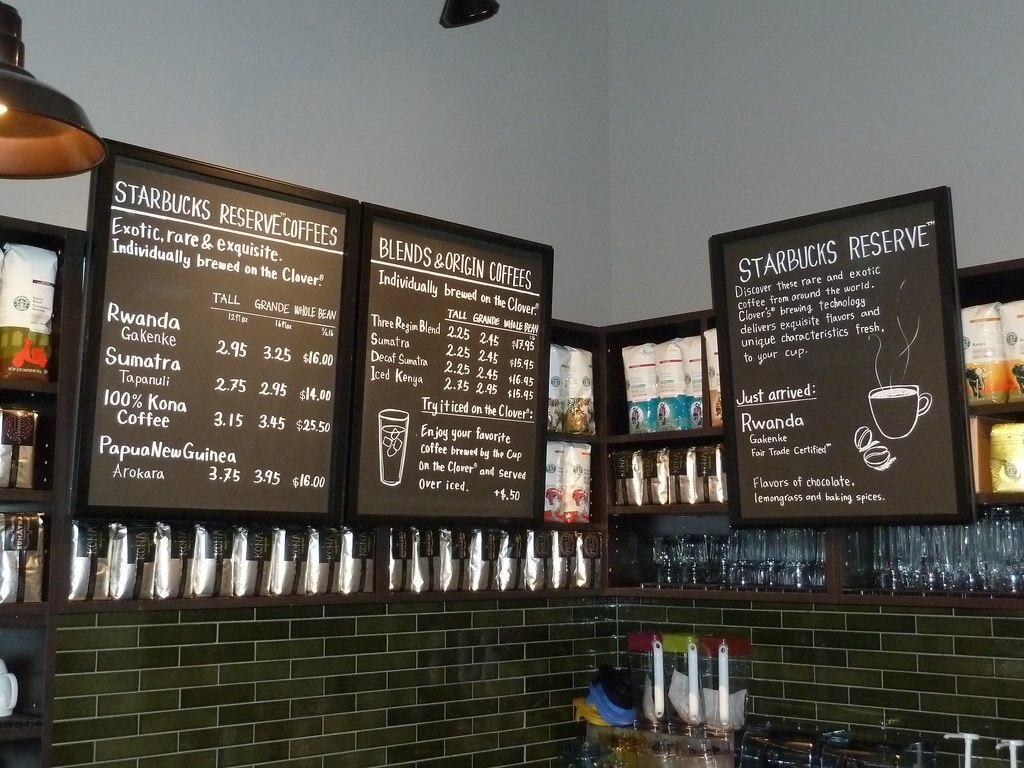
The decoy effect is a psychological phenomenon that can be utilised to influence consumer choices. The decoy effect can nudge customers towards a more expensive or profitable option by presenting a third, less desirable option alongside two other options. This can be an effective strategy for increasing sales margins and revenue.
For example, a high-priced item on the menu is strategically accompanied by a cheaper but less impressive alternative – a decoy. The decoy enhances the attractiveness of the high-priced item by creating the perception that the expensive option is more appealing in comparison.
Anchoring
Anchoring influences decision-making by using the first piece of information a guest encounters as a reference point for all later comparisons. This initial “anchor” shapes how they perceive value.
For example, a luxury hotel might present its most expensive suite first on the booking page, complete with images of the panoramic views, private concierge service, and exclusive amenities. Even if guests do not choose this option, it becomes the benchmark against which all other rooms are measured, making standard rooms feel more affordable and appealing by comparison.
In restaurants, anchoring can be applied through menu design. Placing a high-priced signature dish at the top of the menu can make mid-range dishes seem better value. A steakhouse might list a premium tomahawk steak first, with an impressive description and a price that sits well above the rest. When guests see the next options – perhaps a ribeye or sirloin – they often perceive these as more reasonably priced and are more likely to order them.
By intentionally selecting anchors that highlight premium experiences, both hotels and restaurants can subtly guide customers towards choices that feel like good value while still delivering strong profitability.
Mere Exposure Effect
The mere exposure effect is a cognitive phenomenon that refers to the increased preference and liking for something due to repeated exposure. This effect can strongly influence customer attitudes and behaviours.
For instance, a hotel could create a campaign featuring targeted ads and social media posts to consistently expose potential guests to positive aspects of their property, such as luxurious rooms, location, and amenities.
By repeatedly showcasing these appealing features, the hotel aims to increase the likelihood of guests developing a preference and liking for their establishment.
The Noble Edge
The Noble Edge psychological principle suggests that individuals and organisations are more inclined to make ethical, responsible, or sustainable decisions when associated with a reputable image. Through higher standards of conduct, transparency, and accountability, hospitality brands can maintain or enhance their perceived nobility, attracting customers who value social responsibility and sustainability.
By leveraging a noble image, hospitality brands enhance their reputation and inspire others to follow suit, positively impacting society and the environment. To apply the noble edge effect in hospitality marketing, businesses can highlight their ethical and responsible practices, such as sustainable sourcing, environmental initiatives, and community engagement.
Priming
The priming effect is when specific stimuli prime a person’s thoughts and behaviour. Marketers strategically use cues to shape the guest’s perception and emotional response.
For example, hotels can use visual cues like pictures of happy guests or scenic locations to prime positive emotions and perceptions. Restaurants can use ambient music or pleasant scents to prime feelings of relaxation and enjoyment.
Hospitality marketers can create anticipation and excitement by applying priming psychology in awareness campaigns.

The Peak-End Rule
The peak-end rule is a psychological principle that suggests people tend to remember experiences based on two specific moments: the peak moment, which is the most intense or memorable part of the experience, and the end moment, which is the final part of the experience. This rule can be applied to enhance customer satisfaction in the hospitality industry. By creating memorable peak moments, such as exceptional service or unique experiences, and ensuring a positive end to the customer’s stay, hotels and restaurants can leave a lasting impression and boost customer loyalty. Focus on creating exceptional moments during guests’ stays, such as personalised surprises, outstanding service, or unexpected gifts.
Variable Rewards
Variable rewards psychology is a concept that can be effectively applied in the hospitality industry to enhance guest experiences. By providing guests with unpredictable and varied rewards, such as surprise upgrades, exclusive offers, or personalised touches, hotels can tap into the psychological principle of anticipation and pleasure.
This creates a sense of excitement and delight, increasing guest satisfaction and loyalty. Using variable rewards can encourage guests to engage more with hotel amenities and services, increasing revenue and repeat business.
Conclusion
Consumer psychology is one of the most practical tools available to hospitality businesses. It moves beyond theory and into daily decisions that shape bookings, loyalty, and revenue. The endowment effect can increase how guests perceive value, while framing can guide them toward a preferred choice. Each principle becomes more powerful when it is applied with intent and measured for impact.
The hospitality market is crowded, and buyers are faced with more options than ever. Businesses that use these psychological triggers with clarity and consistency create stronger offers, deeper connections, and a higher likelihood of repeat bookings.
The next step is to review your guest touchpoints and identify where these principles can be introduced or strengthened. Test, measure, and refine. Consumer psychology should not be treated as a single tactic. It works best as a continuous lens for shaping menus, packages, and campaigns so that when guests are ready to book, they choose you.