
The Reality of Ghost Bookings
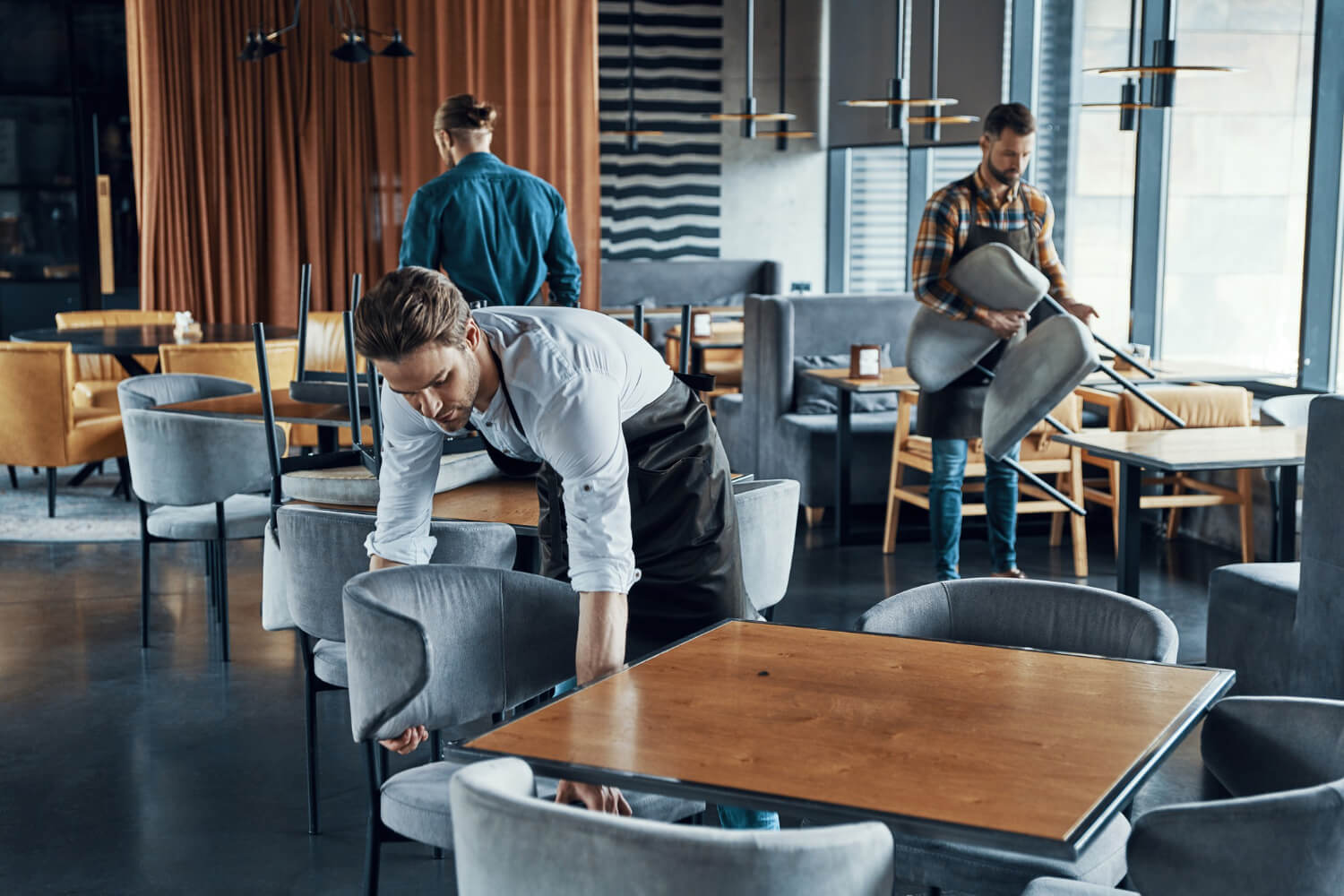
Across the global hospitality sector, the fourth quarter represents the margin crucible. For twelve weeks, dining rooms operate at maximum visual capacity, function spaces host back-to-back corporate events, and kitchen brigades work flat-out. Yet, when financial statements are finalised in January, numerous operators find that record-breaking festive revenues failed to translate into healthy net margins.
The culprit is rarely top-line footfall. The primary driver of festive margin erosion is the hidden cost of ghost bookings: reservations confirmed in the diary that fail to show, drop significant covers without warning, or cancel at the pass.
Understanding how to eliminate this operational leakage requires an examination of consumer psychology, modern reservation software dynamics, and the critical role of strategic booking friction.
The Dynamics of Modern Option-Hedging
A decade ago, reserving a table at a premium restaurant required direct human interaction. A patron telephoned the venue, spoke with the maître d’ or reservations manager, and committed verbally to a booking time. That personal touchpoint created social accountability. Failing to attend without notice induced genuine embarrassment.
The digital transformation of hospitality has brought clear efficiencies, but it has shattered social accountability. Consumer booking apps and instant digital widgets have made reserving a table completely effortless. With that convenience has come the widespread behaviour of option-hedging.
Diners routinely book tables across three different venues for prime holiday evenings. They hold these bookings concurrently across the week, waiting until mere hours before service to choose where their party will dine. The rejected venues receive either a short-notice automated cancellation or silence.
For the venue, the consequences of this behaviour are severe. Restaurant seats are a perishable commodity; once a 7:30 pm sitting passes unoccupied, that revenue potential is gone forever.
When applied to high-ticket festive menus, the financial damage extends beyond lost covers:
Specialised holiday inventory ordered specifically for booked covers cannot easily be repurposed, driving up food waste costs.
Front-of-house and kitchen rotas scheduled to manage peak covers remain locked in, inflating labour cost percentages against a reduced top-line take.
Walk-in guests and legitimate patrons turned away earlier in the week due to an apparently fully booked diary are lost to competing venues.
The Fallacy of Frictionless Hospitality
For years, digital marketers have championed the concept of frictionless conversion. The ambition was simple: remove every barrier, field, and verification step to make reserving a table as fast as humanly possible.
In casual dining, frictionless booking works well. In high-volume, multi-course holiday dining, frictionless booking is dangerous. When there is zero barrier to reserving a table, there is zero commitment to honouring it.
High-performing operators recognise that hospitality begins long before the guest arrives at the venue. Professional festive reservation management requires the introduction of strategic, value-led commercial friction.
Strategic friction is not about creating barriers for potential guests. It is about establishing a clear commitment threshold. By requiring diners to provide card pre-authorisations, confirm dietary preferences in advance, or pay modest deposits for group sittings, you filter out casual option-hedgers whilst securing commitment from guests who genuinely intend to dine.
Re-Engineering Your Reservation Funnel
To safeguard Q4 profitability, hospitality leaders must evaluate their booking funnels with the same discipline applied to food cost percentages and menu engineering.
First, analyse historical booking data. Determine your historic no-show rates across specific days of the week, service windows, and party sizes throughout the festive period. Identify exactly where your operational losses concentrate. Often, operators find that casual two-tops honour bookings at a ninety per cent rate, whereas corporate groups of six to ten covers exhibit cancellation rates exceeding twenty-five per cent.
Second, adapt terms dynamically rather than relying on blanket rules. Modern reservation management platforms allow operators to vary booking parameters based on group size, service date, and time. Applying heavier commitment criteria exclusively to high-risk tables shields your pass without choking off off-peak bookings.
For operators who also balance accommodation alongside food and beverage operations, group booking psychology functions in much the same way. Aligning your dining rules with broader room-yield strategies, as detailed in our analysis of hotel group booking strategies, ensures consistent revenue management across the entire property. Furthermore, understanding underlying diner motivation is essential; explore our insights into the role of consumer psychology in hospitality to understand the behavioural triggers behind dining choices.