5 Invisible Revenue Leaks Hiding in Your Hospitality Venue Right Now
Executive Summary: Key Takeaways
Hospitality venues often waste marketing capital on paid ads while losing profit through hidden operational friction.
The 5 Primary Revenue Leaks:
- OTA rate-parity undercutting
- Mobile booking friction
- Unoptimised F&B contribution margins
- Misaligned local SEO
- Disconnected post-stay email retargeting
The Resolution: Structured weekly audits, streamlined mobile UX, and menu matrix re-engineering.
Every executive chef knows that if you ignore the prep, you wreck the service. Hospitality operators burn cash on flashy ads while losing margin to hidden friction. Whether you manage a boutique hotel or a busy restaurant, these daily inefficiencies drain your gross profit. If you ignore the basics, you feed the content machine while your actual revenue stays flat.
Here are five of the most common hidden revenue leaks in hospitality operations today, and the tactical steps required to fix them.
1. OTA Rate-Parity Undercutting
If a third-party site sells your rooms or tables for less than you do, you lose twice. You pay the commission fee, plus you lose the direct relationship. Run weekly rate parity audits using proven direct booking strategies to catch third-party undercutting early. Use your direct site to offer perks that third parties cannot match. Give guests a reason to book with you rather than the middleman.
2. Friction-Heavy Booking Engine User Experience (UX)
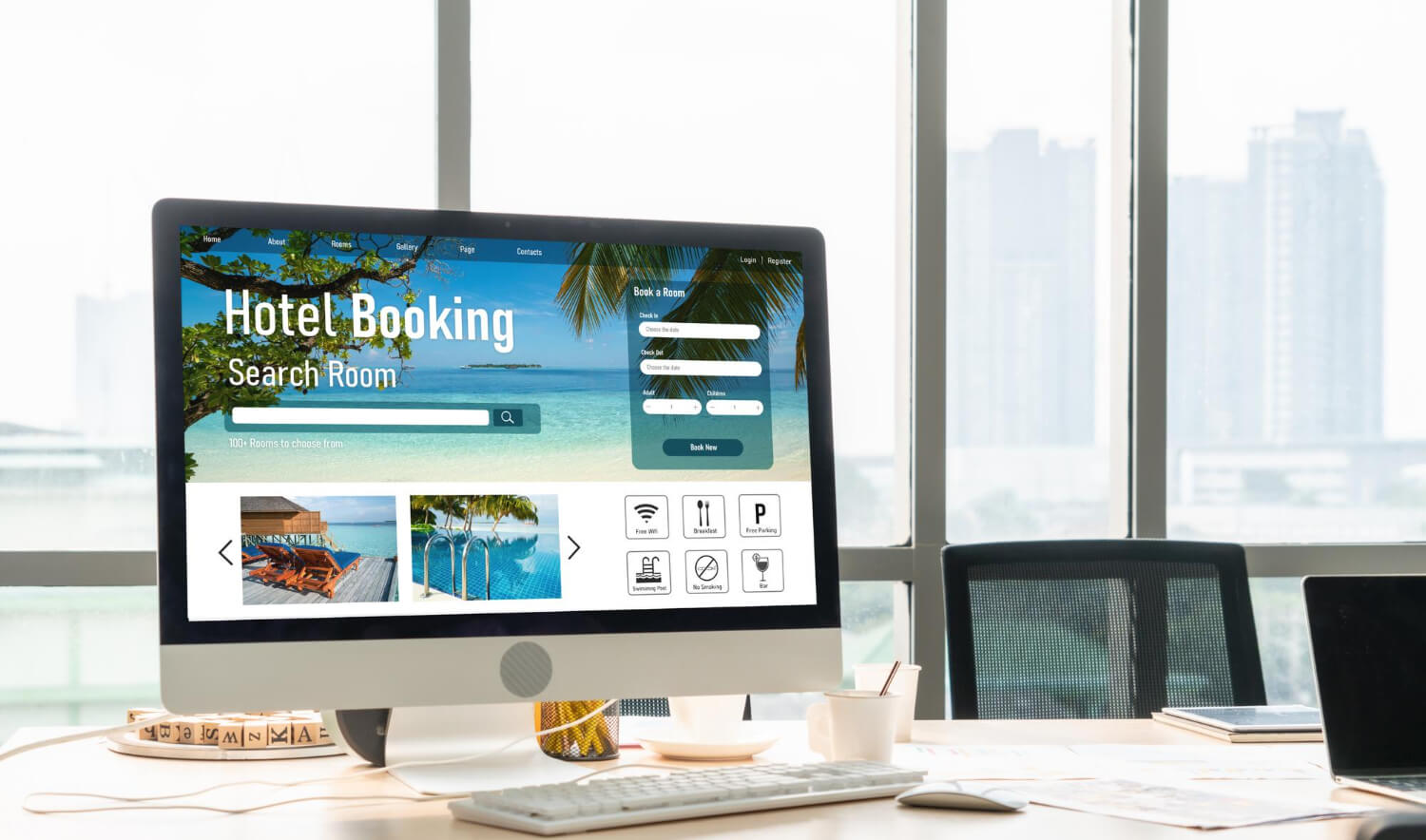
You spend thousands driving traffic to your site. Then the guest tries to book. If that mobile path takes more than three clicks or forces a sign-up, your conversion rate tanks. Test your booking process every single month on your own phone. Remove the hurdles. Keep the user journey fast and simple. Resolve these landing page conversion issues before increasing advertising spend.
3. Unoptimised F&B Contribution Margins
High revenue is vanity. Profit is sanity. Selling a signature dish is an operational failure if ingredient costs erode your margin. Map your menu volume against the margin percentage. If a high-volume dish has a poor margin, change the recipe or the supplier. This is the recipe card logic you use for the kitchen, applied to your revenue. Train the team to push the high-margin items. Correcting common menu design mistakes prevents low-margin signature dishes from masking actual profit loss.
Example Profit Margin Vulnerability
| Metric | Signature Dish A | Signature Dish B |
|---|---|---|
| Menu Price | £24.00 | £22.00 |
| Cost of Goods (COGS) | £9.50 (39.5%) | £5.20 (23.6%) |
| Net Margin | £14.50 | £16.80 |
*Dish B yields £2.30 MORE net profit per cover despite lower retail price.*
4. Misaligned Local SEO & Google Business Profiles
Local search brings footfall. If your Google Business Profile has the wrong hours or broken menu links, guests walk to the competitor next door. Claim your listing. Verify it. Upload high-quality imagery every quarter. Reply to every review inside 24 hours. Treat your digital profile like your physical shop window. Audit local search citations quarterly to strengthen your overall local search strategy.
5. Disconnected Post-Stay Email Retargeting
It is cheaper to keep a guest than find a new one. Sending generic blasts to a post-stay list is lazy. Segment your database. Group your corporate travellers, weekend leisure guests, and event bookers. Send tailored offers 60 days after they leave. Give them a reason to return.
Systematic Execution Protects Your Bottom Line
Fixing revenue leaks requires an actionable, structured audit framework. You need to identify friction points and assign team ownership to resolve them. Use the steps above to protect your profitability. Do the work once and the results will compound.